AGP Executive Report
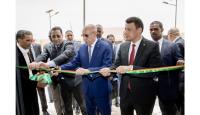
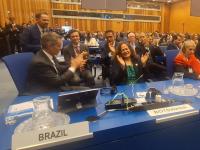
Last update: an hour agoBiodiversity: Mauritania’s environment minister is in Armenia for COP17, where countries are discussing action to protect biodiversity and deliver the global nature framework. Environmental Crime: Mauritania joined the push for a new UN protocol against crimes such as illegal mining, wildlife and timber trafficking, and waste smuggling. Governments approved negotiations, not a final treaty. Cleaner Gold: Petroleum and environment ministers visited a Nouakchott laboratory showcasing mercury-free gold processing methods for small-scale miners. Food Security: Mauritania represented at an African food systems conference in Dakar, focused on cooperation, sustainable agriculture and food sovereignty. Pastoralism: Herders in eastern Mauritania describe adapting to shifting water and pasture availability, underscoring the pressures on livelihoods tied to the land. Marine Resources: Mauritania and the EU discussed fisheries negotiations, stressing sustainable use of marine resources and protection of the marine environment.
Note: AI summary from news headlines; neutral sources weighted more to help reduce bias in the result. Feedback is welcome. Please let us know if you have any comments or suggestions about the AGP Executive Report.

 Perspectify News